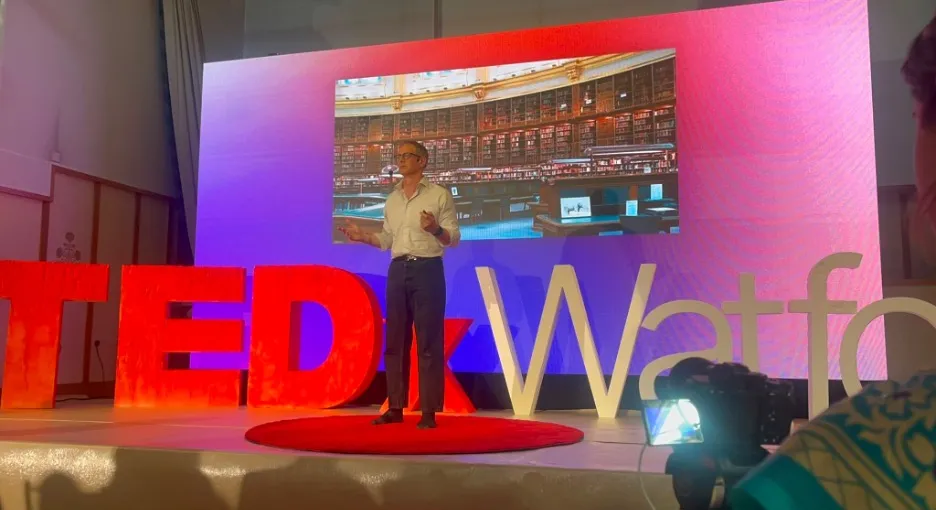
All You Need Is Attention

Delivered at TEDx Watford on 18 July 2026, at Bhaktivedanta Manor, for the conference theme “All You Need Is Love” in honor of George Harrison’s gift of the venue. Lightly edited for clarity.
About ten years ago, I was joking with my daughters that if I made a phone app that was so addictive that you would never put it down, not to eat, drink, or even to sleep, I would get an enormous raise and a giant promotion. And then I realized it wasn’t a joke, it was actually true.
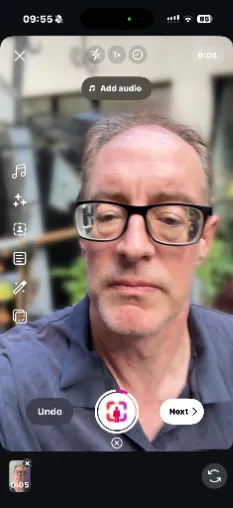
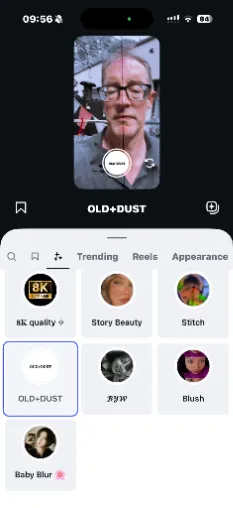
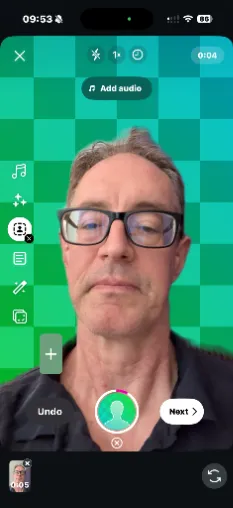
I was working at Facebook in 2016. Snapchat had just started becoming a big thing, and teens were leaving Facebook in droves. There was a mass effort to create more addictive content to bring the teens back. First was facial filters, we had to have them. The project was code-named Maya, after the Sanskrit word for magic or illusion. I built and led a team to create these facial filters and bring them into Facebook and Instagram. It was a really fun project. It was creative, there were some brilliant technologists, and it was the first time that we put neural networks, AI inside your phone. We could do these amazing things with your face, and create exciting fun content – and we had some great technical and creative people. It was a lot of fun, until we were re-orged into the Facebook App team, and we had to ship it.
The most important thing to do at Facebook was to pay attention to the metrics. And if you don’t follow the metrics, you won’t do well on your project, and the project will get canceled. There were two metrics they cared about at Facebook. Number one was how long you spent in the feed, how much time you spent scrolling. And number two was how often you shared content with people. There was nothing about quality of time, about how much fun you had, how connected you were with your friends. None of that mattered. You could be zoned out, mindlessly scrolling and occasionally clicking on ads, and you would have been the ideal customer. And many people were that, because it was the state it put you into.
A few years later, I ended up moving to London, and joined a team to keep bad people off of Facebook. I thought, that if people are going to be on Facebook, maybe that isn’t great, but it would be way worse if all these bad people are there, doing identity theft, putting up awful content, stealing people’s credit card numbers and things like that. We took down some identity fraud rings in Bangladesh and Vietnam, it felt like things were going well. And then they asked me to work on an effort on rapidly evolving hate speech. The world is changing so fast these days. When something new happened like the storming of the US Capitol, the invasion of Ukraine, and such, suddenly there were new kinds of hate speech, and it would take months to retrain the human moderators and retune the automatic AI filters to deal with it. We didn’t know what we were going to do.
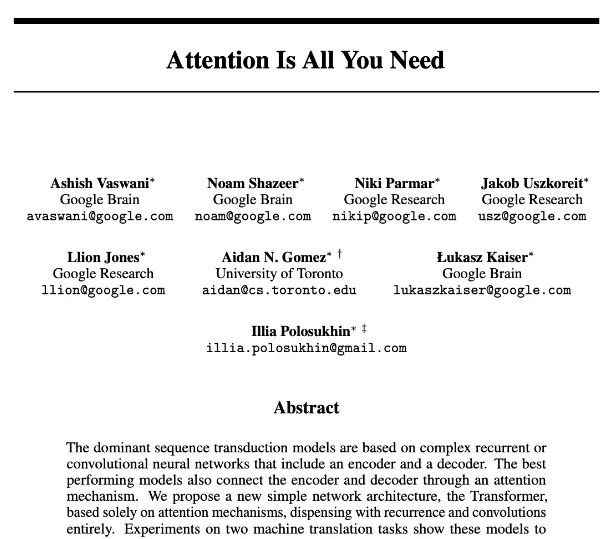
Fortunately, back in 2017, researchers at Google had written a paper called “Attention Is All You Need,” and it was in homage to the Beatles song that this whole conference is named after. Love is all you need, but for them, attention is all you need. The idea was that these AIs, if they used this concept, Attention, instead of making a bunch of rules, they have all these different ways of paying attention to things in the text. They found that suddenly, the AIs just improved massively, they started being able to understand what was happening.
So over the next 8-10 years, things kept getting better, from the early stages when they were only useful for specialized things like hate speech, then people started chatting with them, getting relationship advice. And now they’re a big thing. But how do they work? You take all the world’s texts, all the world’s websites, the good ones and the crazy ones, and put them all in a big pile. And they ask the AI to predict, what’s the next most likely word, based on all the words it’s read so far. And if you do that enough, somehow you get something that knows how to talk as if it’s a real human being.
And it knows everything. If you ask about sugar, it will tell you the chemical structure of sugar. It will tell you how it is made. It will tell you every song ever written where someone has called somebody sweet. But with all that knowledge, it has no idea what sugar actually tastes like. It’s just juggling words, it’s just pulling the words together to make it seem like it knows that, but it doesn’t know about birth, it doesn’t know about death, it doesn’t know about love, it doesn’t know about heartbreak, let alone even the simple taste of sugar.
So these AIs are trained, then come into existence when you first start talking to them, without any history. They don’t have any day-to-day experience of things. Though they know everything in the world, they don’t actually know anything. And if they seem like they remember you when you talk with them the next time, it’s because the previous AI wrote down some notes, and then the next AI comes on, it reads those notes, and it pretends that it’s the same conversation. There is no continuity of experience there, since there was no experience to start with.
Marshall McLuhan, the media theorist, said that every time we invent something, create a new capability, we also amputate something. One of the biggest examples is the invention of the written language. Before the invention of writing, we had people who memorized 60,000-line epic poems, traveling from village to village to recite them. People had massive quantities of things memorized because that was the only way to do it. Writing opened up massive possibilities for our culture, but in the process we lost this prodigious memory. And every following technology has done a similar thing to our species. Every time we gain something, we learn to drive, we also become that much less fit.
What are we amputating in AI by asking it to do our presentations for us? To do our homework for us? Being creative? Writing letters to our friends? Which one of these things are you willing to outsource to the point where you are willing to lose it?
Every one of these things you start to give up by using the AI to do it. It’s OK for some things, but if you do it for everything, you will lose some of the core things that make us human.
Researchers at MIT found that people who used AI to write an essay had much less brain connectivity in an EEG recording. They also remembered very little from it, and were unable to quote from it. It was almost as if someone else had written it.
I use AI all the time. I use AI at a company called Samsara, named after the Sanskrit word for worldly existence. We are a lot of very busy, very productive people. I’m getting proposals and code reviews all the time, and using AI all the time myself, and it has been wonderful in getting a lot of this done. And at the same time, every one of these people is also using AI, so I’m finding that my days are getting more and more fragmented, more and more crazy, and it’s a constant temptation to pull away from whatever I’m doing, if I’m in a meeting, to start looking at what the AI is doing, what people are sending to me, and not pay attention to the people I’m talking to. It’s one of those where you have to just listen, but it’s a constant push and pull.
When I was working on this talk, I naturally, in addition to asking my close friends and colleagues to review it with me, asked Claude the AI what it thought of it. And it gave some great feedback, but unfortunately, the first thing it did was offer to rewrite it for me. I said no, this is actually something I want to do with my own bare brain, to come to terms with it. Is it a helpful friend, is it a tutor, is it an accomplice to do things that we wouldn’t have been able to do before, or are we relying on it to take over our lives?
Before we moved to London, my wife decided to do a Half-Ironman triathlon. That’s 1.2 miles of swimming, followed by 56 miles of cycling, and then at the end you follow it up with a 13.1-mile half-marathon. So, a relatively easy day out. She was training for this, and about three months before said, why don’t you come with me, it’ll be fun? So I said, sure I’ll try this. I hadn’t done much exercise at all in the previous few years, but I tried real hard, showed up there. It was about 40 degrees Celsius, 100 degrees Fahrenheit. You have 8 ½ hours to do that course. The first part was easy, relatively, compared to the end, which was completely brutal. I finished 25 seconds before the 8 ½ hours were over. If you finish late, it doesn’t count, and there’s a bus that picks you up and drives you to the finish line.



I hold that within me, and it’s something that I treasure. I hobbled those last three miles before the finish line, not knowing if I would even make it over, and I made it over.
I could have very easily just gotten in a car and driven 70 miles, eating some snacks, listening to tunes, and drinking a soda while I was driving. I could have covered that territory. But by doing it on your own feet, you make it personal, you traverse it, and you really own those miles.
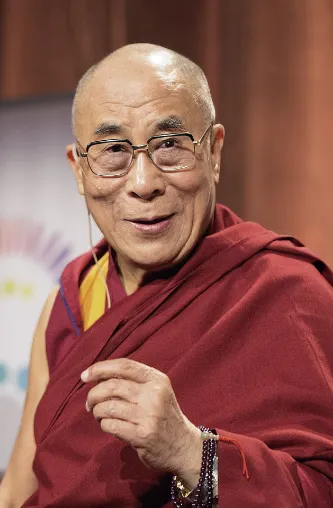
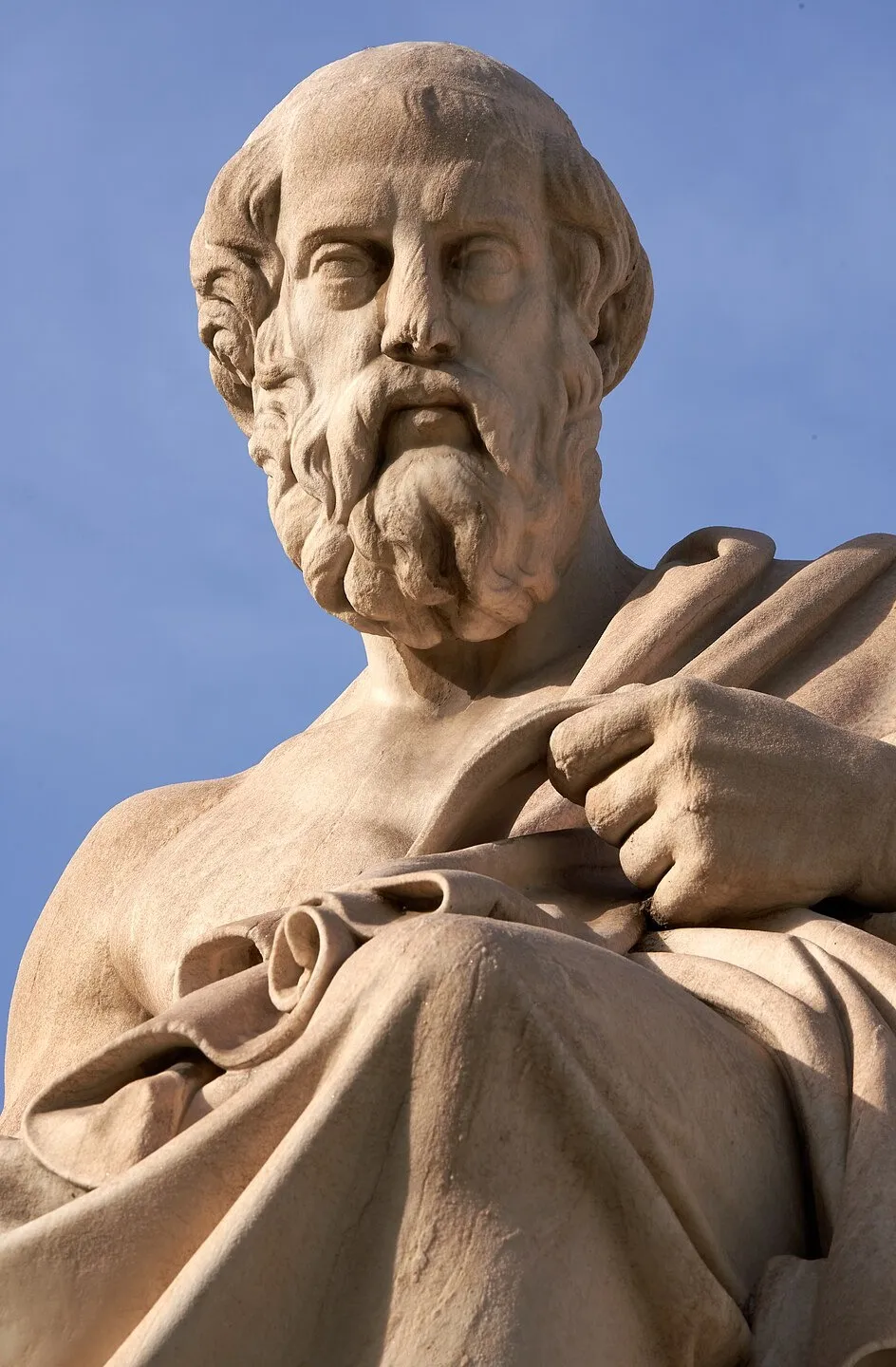
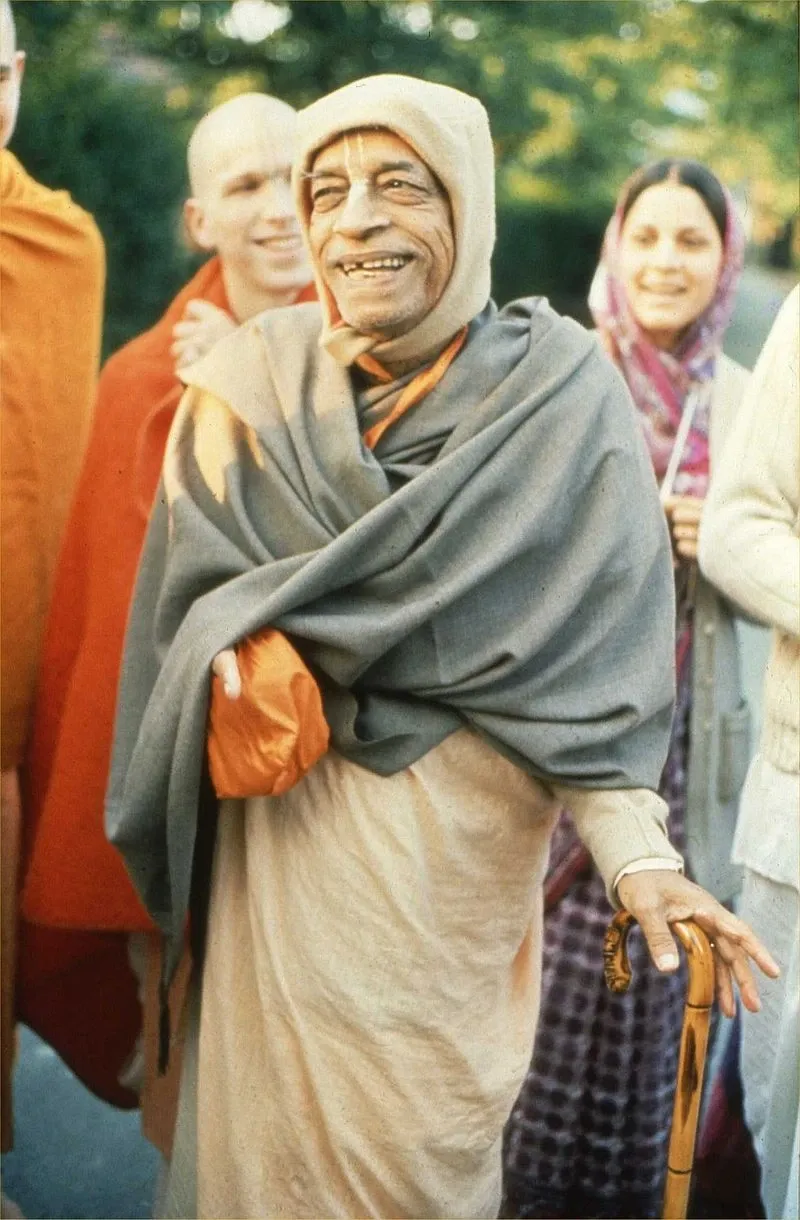


One of the things I think about with AI is that it’s taking all these things that we thought made us human: our ability to come up with amazing ideas, our ability to communicate, our ability to inform people. But what it’s not good at are the things that some of the great spiritual leaders and philosophers of our world have said were the core things that we should have been working on in the first place. Our connections with people, our connections with our deep interior selves, our attention, our attitude of service and humility, these things that we can do uniquely as humans.
The AIs can’t do this. It’s like they’ve backed us into a corner and taken almost everything away from us, but what’s left to us is that shining part of us that makes us actually human. So that’s the true thing we need to go deeper on, and there are a lot of ways to do it.
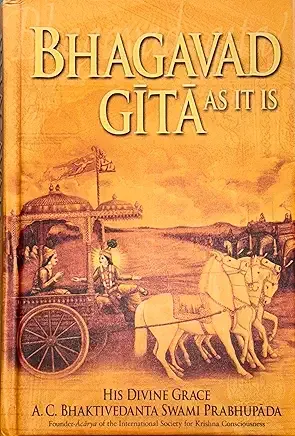
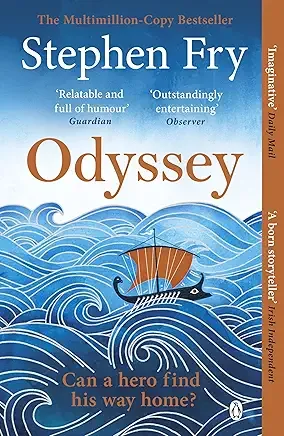
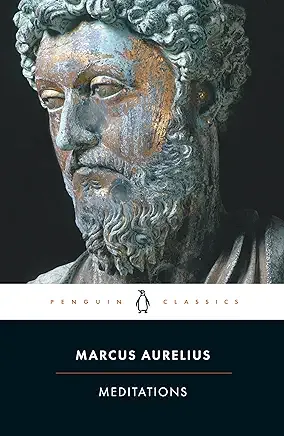
When I wake up in the morning, instead of reaching for my phone, I try to do some reading, some chanting, some meditation. I spend some time building my mind, building my attention, trying to connect with something deep. That is what is truly going to take us to that part of our humanity that the AIs can’t touch. Connect with your family, your friends. It’s like you’re developing this great new superpower. In a world where no one has attention, if you can manage to keep that ability to pay attention to someone, then everyone will notice that. It’s becoming more and more rare in this world.
When I first met my wife, she noticed that I spaced out a lot, because I’m naturally drawn to this world of ideas. I had a really hard time, and still do sometimes, connecting with people. It’s been a constant process, that’s why I’m talking about it. But to help me with this, any time she saw me spacing out while talking with her, she’d reach over and bop me on the nose.
That started bringing me back. She’s doing it less now, and in fact she’s almost stopped. I’m not sure if that’s because I’ve gotten better or because she got tired of bopping me on the nose.
Trying to have that kind of presence is essentially love. If you see someone and you’re there for them, they can tell.
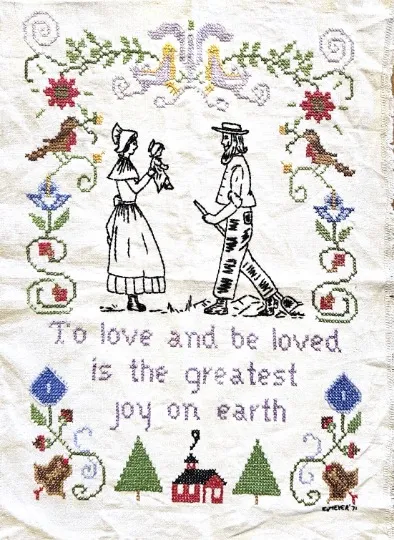
My mother, just after she was married, sewed this sampler. Stitched on it is “To love and be loved is the greatest joy on earth.” And this hung in our living room the whole time I was growing up. I think I always thought it was a bit sappy and sentimental.
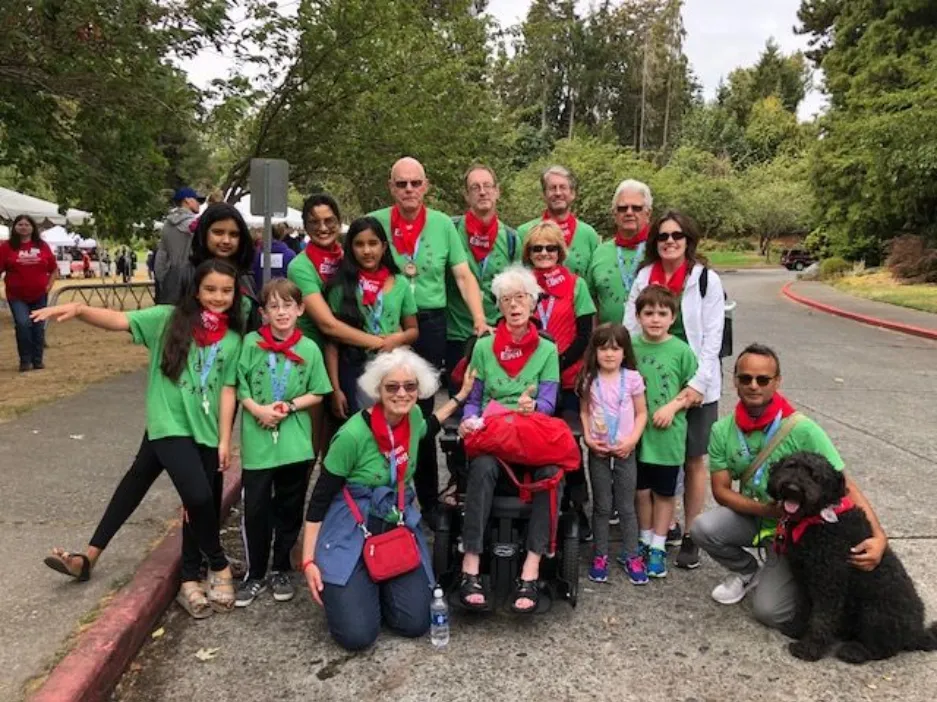
In 2018, she was diagnosed with ALS (MND in the UK). And over the next few years, she lost her ability to walk on her own, to breathe on her own, to eat, to swallow, to talk.
Eventually by the end her only way to communicate was that, if we put her hand on her leg, she could slowly trace out letters on her thigh. My father, who was her main caretaker until the end, would watch her spend five or ten minutes trying to trace out the letters and try to identify what she was trying to say. It was very frustrating for him and for her, because he’d often get it wrong. And at the end of those ten minutes, he realized that what she was saying was, can you put the cheese dip and snacks out for the girls?
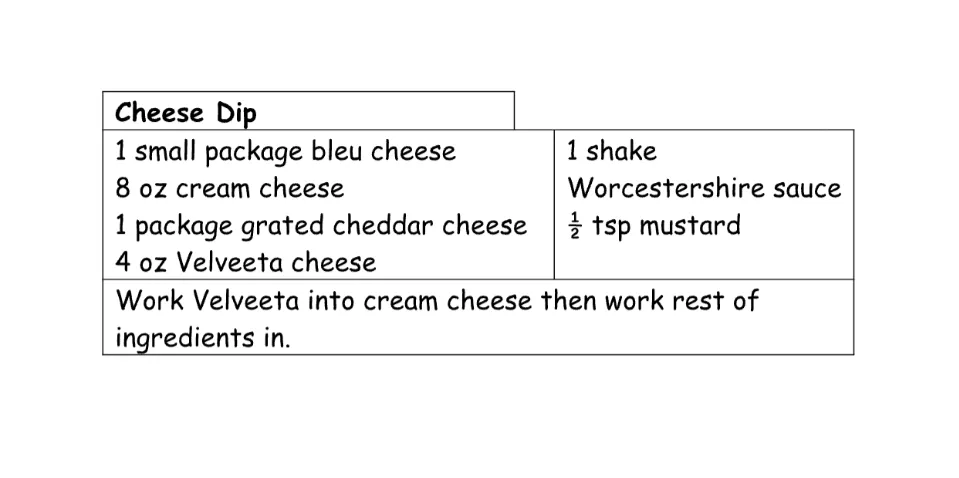
It’s very good cheese dip, here’s the recipe. It’s a family recipe. But what she was focused on, was making sure that everyone else was comfortable. Not the fact that she couldn’t breathe on her own, that she couldn’t move. She wanted to make sure we had snacks.
She passed just a few days after her 50th wedding anniversary. She knew she wanted to make it through to that point. But I think about what Marshall McLuhan said. Everything was amputated from her. Everything that you’d call human, she lost. All she had left was love.
For social media, attention is something to steal and monetize.
For AI, attention is a tool to be able to understand things.
For people, attention is love.
All you need is love.
All you need is attention.
But I think my mother figured it out best at the end.
All she had was love.
All you have is love.
Thank you.